
Interceptor Integrity Testing
If your site handles fuel, oil, or surface water runoff, interceptors are among the most critical pieces of equipment you operate to prevent pollution incidents and spill risks. They do a great job at controlling pollutants, however, when they fail, the consequences can be significant. Pollution incidents, enforcement action, unplanned downtime and costly cleanup operations are all more likely when these systems are not properly maintained.
Specialising in drainage support and environmental compliance, we take pride in delivering asset risk assessment and interceptor integrity testing to businesses nationwide, so you can operate with confidence in responsible site management.
Why choose GreenSpark for interceptor maintenance?
Dedicated Account Management
Environmental Asset Servicing
Nationwide coverage
GreenSpark operates across the UK, supporting businesses single and complex multi-site estates with 24/7 support. We can coordinate interceptor servicing and maintenance across multiple locations, delivering consistent results and clear, comprehensive documentation wherever you operate.
Assess your compliance today
Why interceptor integrity testing is crucial for your business
Interceptors are usually found in areas with a high pollution risk, like vehicle washes and fuel islands and/or at the outflow from a site. Water from your site will lead to the tank where pollutants can settle out. Oil will collect at the top while silt will settle to the bottom. However, other pollutants such as detergent can emulsify oil and affect the effectiveness of the interceptor, increasing the risks of blockages and flooding.
While interceptors are a first line of defence against contaminants entering waterways and sewage systems, if not properly maintained and tested, they can cause unexpected and often costly issues such as overflowing, increasing the risk of pollution.
Ready to partner with us?
FAQs
Why does my interceptor need integrity testing?
With regular use, oils will float to the top of the tank, while silt sinks to the bottom, allowing clean water to leave the site. If your tank is damaged or has signs of wear, it may decrease the effectiveness and allow contaminants to leave your site, causing pollution incidents and compromising your organisation’s compliance with regulations.
What does integrity testing involve?
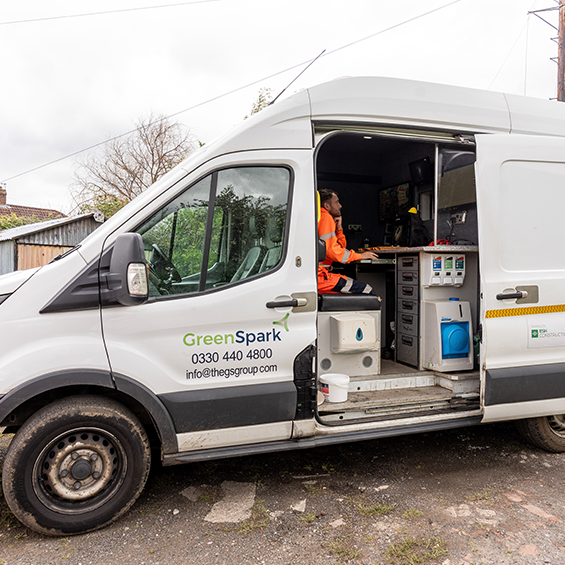
An integrity test is a more detailed analysis of an interceptor tank to give organisations a more in depth look at the condition of tanks, helping to ensure they are giving you the best pollution control. The whole interceptor will be emptied of contents, and the condition of the tank will be assessed by a GreenSpark expert via confined space entry or using specialised equipment. After the test, the tank will be filled with clean water to the static water level to ensure pollution prevention and effective contaminant separation.
Following physical testing, GreenSpark will provide a detailed report of findings and any recommended actions to improve your interceptors efficiency and compliance.
How often do I need integrity testing?
It is recommended that interceptors are integrity tested every 5 years. This should be in addition to your interceptor servicing and maintenance visits, which should take place at least every 6 months.
To discuss combining GreenSpark interceptor services, get in touch today.
Can GreenSpark dispose of waste from interceptor integrity testing?
Yes. As a licensed waste carrier, GreenSpark can safely and compliantly dispose of waste from your interceptor integrity testing.
Does GreenSpark support multi-site businesses?
Yes. We provide a single point of contact for both single and complex multi-site estates, coordinating interceptor integrity testing across your sites, providing accurate documentation across every location in your portfolio and 24/7 support for emergencies.
